


 Juno
Juno
Juno Core, included with every new Callisto, is the ground control station Freespace develops for the aircraft. Advanced capabilities build on it for each kind of work.

Included
Juno Core
The ground control station Freespace develops for the Callisto, included with every new aircraft. Juno Core plans the mission, flies it, and keeps the aircraft, the payload and the flight record in front of the pilot.
Simulator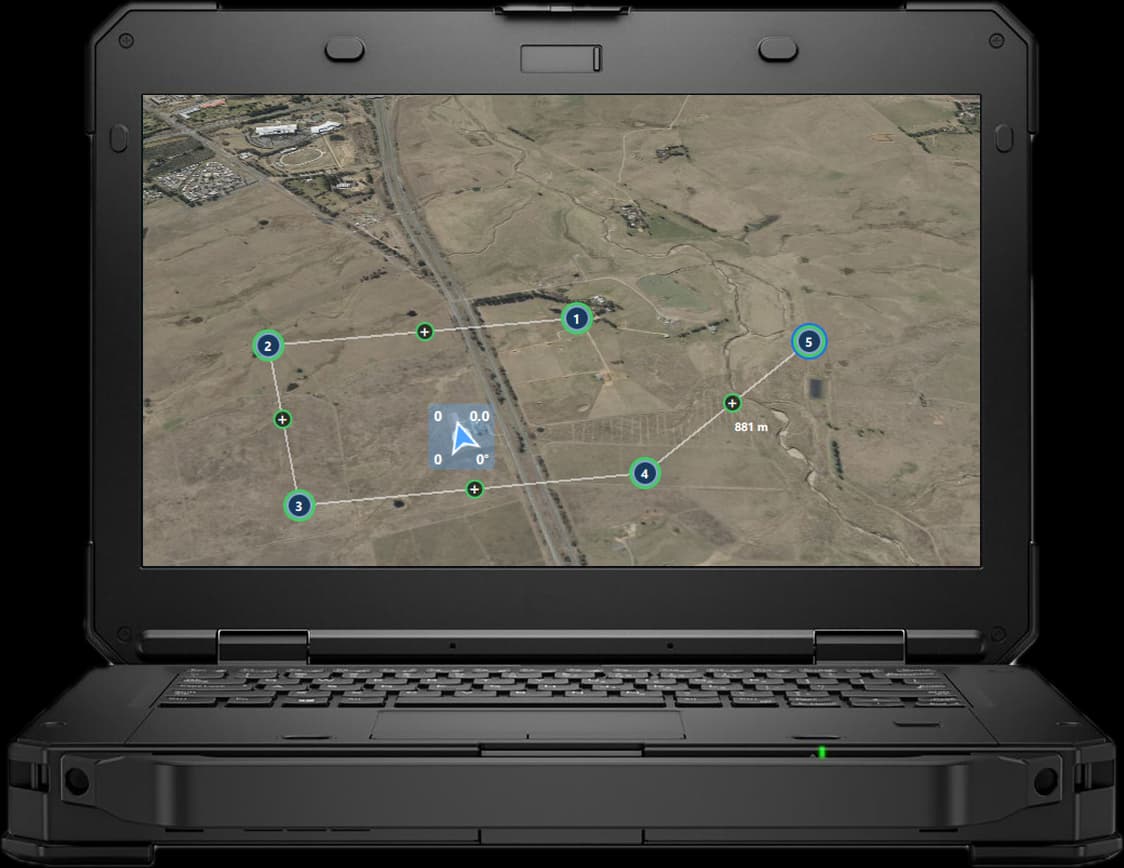
Command and control
Redundant, dual-frequency command and control designed for BVLOS operations. The pilot flies the mission, not the link.
Mission planning
Plan the mission on the ground station, upload it, fly it. Juno holds the plan and the return path; the pilot monitors and intervenes, rather than hand-flying every leg.
Unified mission view
The aircraft, the payload and the mission on one screen, with a live HD view from the aircraft.
Precision navigation
Redundant RTK GNSS with LiDAR terrain following. The pilot sets the height above ground; Juno holds it as the ground changes underneath.
Autonomous take-off and landing
The pilot commands the departure or the approach; Juno flies it, including on moving platforms.
Flight and maintenance records
Every flight produces its own record: flight log, maintenance history and configuration, in the form operating approvals and insurance assessments rest on. Kept as it is flown.
Industry
Advanced capabilities
Built on Juno Core, designed and engineered by Freespace to extend the Callisto to the task and the mission.
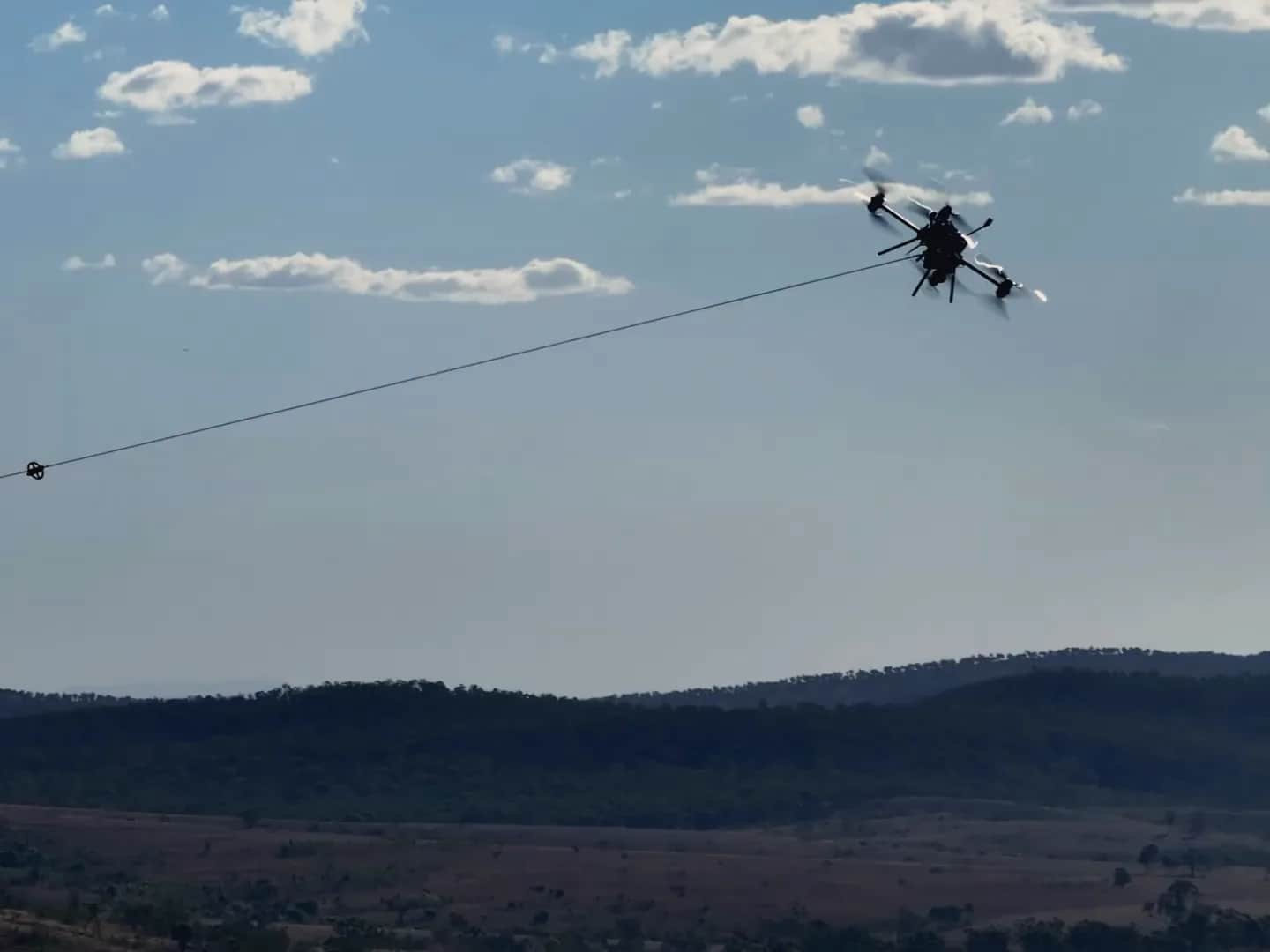
E-LS
Line stringing
Pulls pilot line across valleys, rivers and corridors at the speed and tension the line crew sets. Juno controls the pull and shows the aircraft's health and performance live, with adjustment in flight. Flown for transmission builds and repairs in remote and difficult country.

E-ASO
Autonomous Ship Operations
Slung-load transfers between vessel and shore, either way, with the ship under way. Flown for vessel resupply, VERTREP and emergency deliveries, including for oil and gas operators.
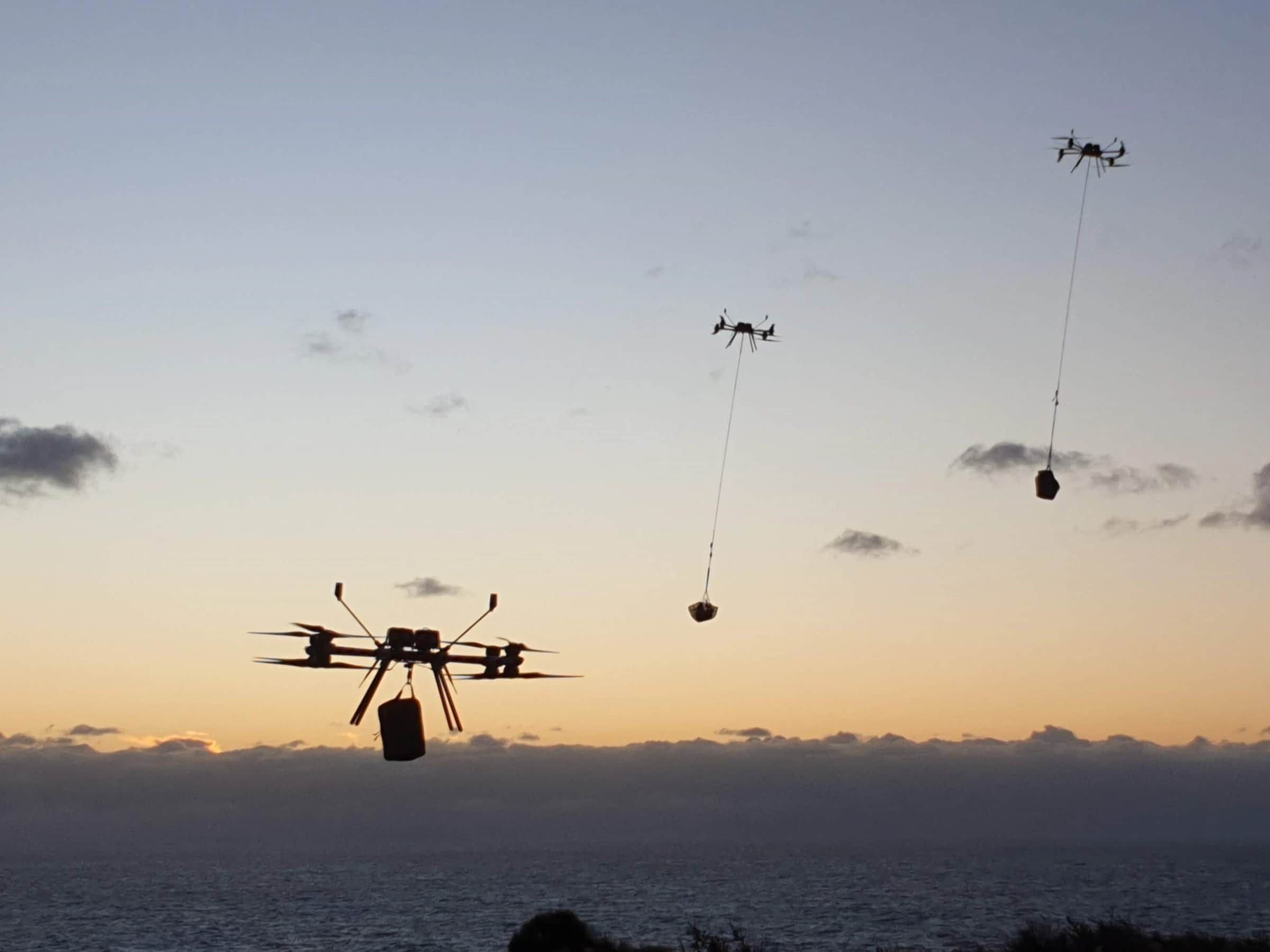
E-COL
Cooperative lift
Two or more Callisto aircraft fly as one, carrying a single load of up to 100 kg. Juno holds them in tight formation, the same control that holds a Callisto to a moving deck. A world first in heavy-lift operations, for loads once limited to helicopters.
Agencies
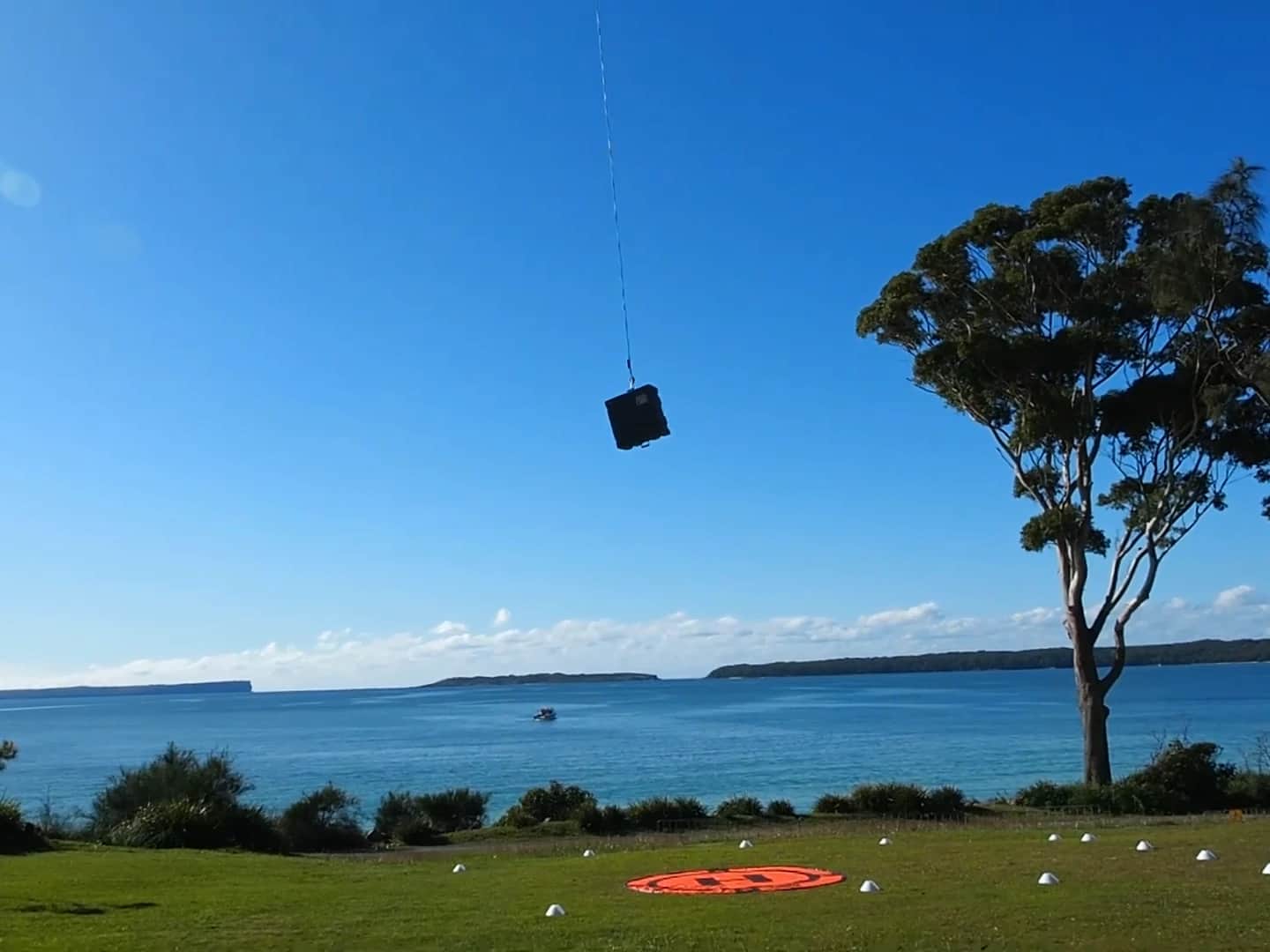
G-ASO
Autonomous Ship Operations
Approaches, landings and transfers on patrol and survey vessels under way. For coast guard, border and fisheries patrols resupplied at sea.
G-CRL
Communications relay
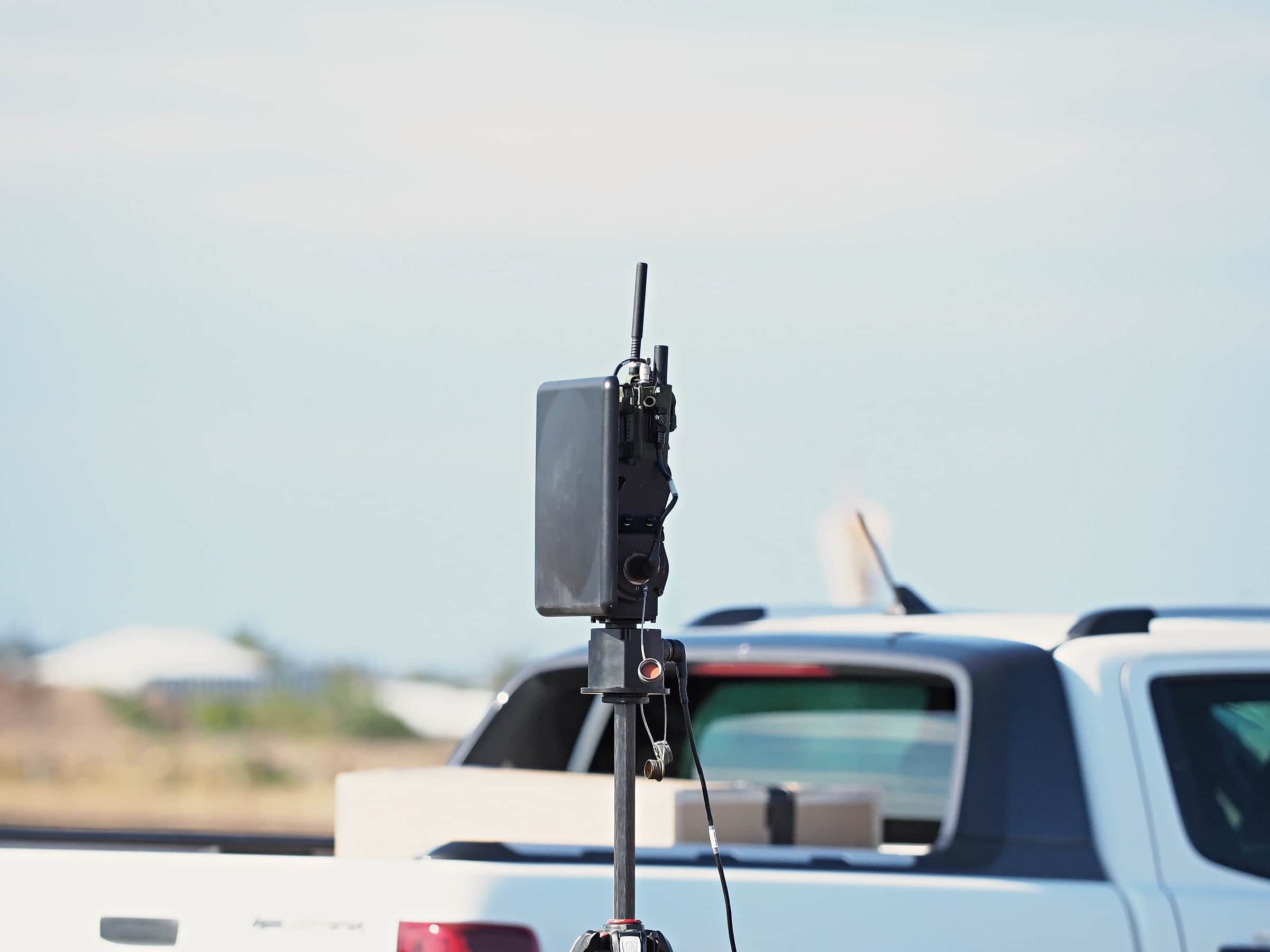
Lifts a radio relay to altitude and holds it on station, putting a network over ground that has none. For search and rescue, bushfire and flood response in remote country.

G-ISR
ISR
Observation over coastline, border and remote country, for longer and with heavier sensors than small aircraft carry. For maritime surveillance, environmental monitoring and survey.
G-ASO

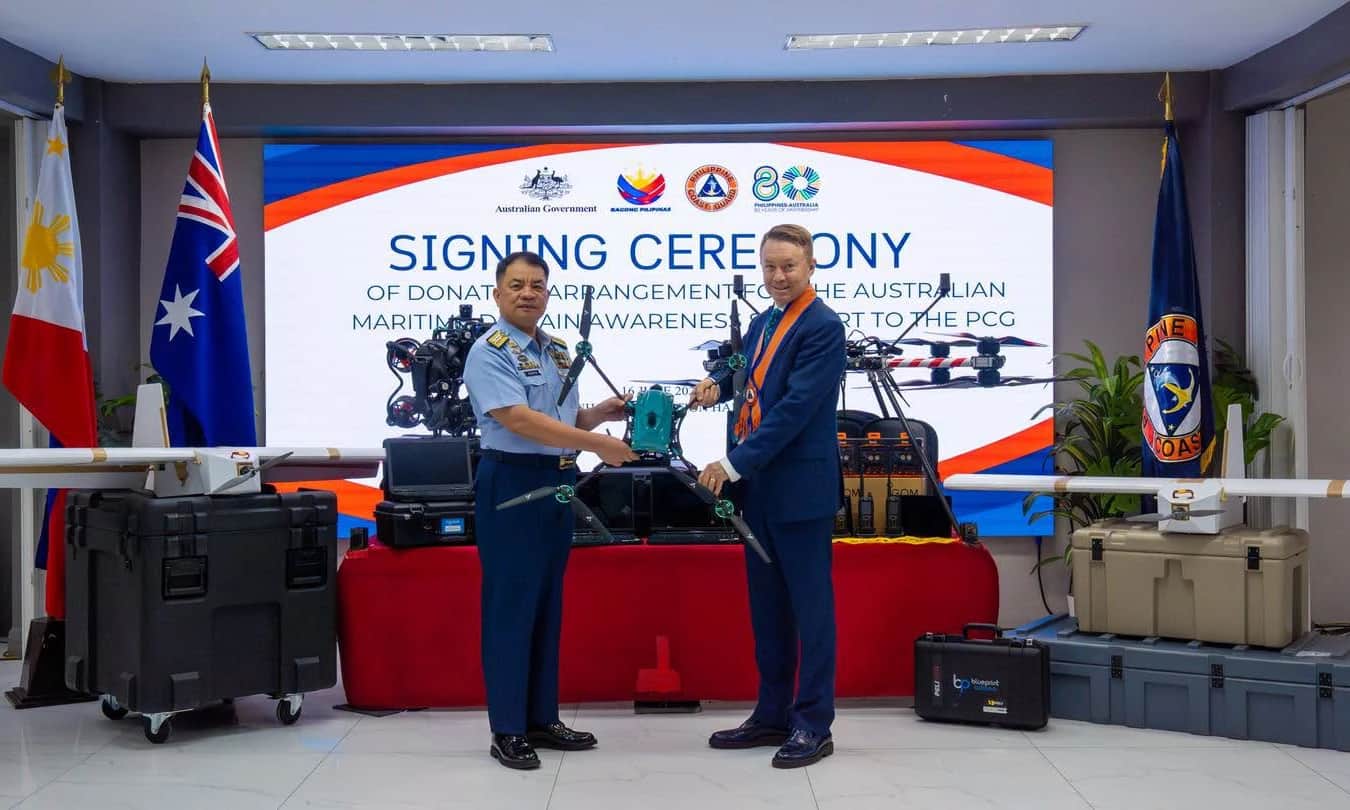
Australian Department of Climate Change, Energy, the Environment and Water, for the Philippine Coast Guard
Logistical support for the Philippine Coast Guard: a Callisto 50 supplied through the department, as part of Australia's support for the coast guard's modernisation.
Armed forces
Defence
Capabilities for resupply, ISR and communications relay, supplied to approved defence customers.
D-ASO
Autonomous Ship Operations
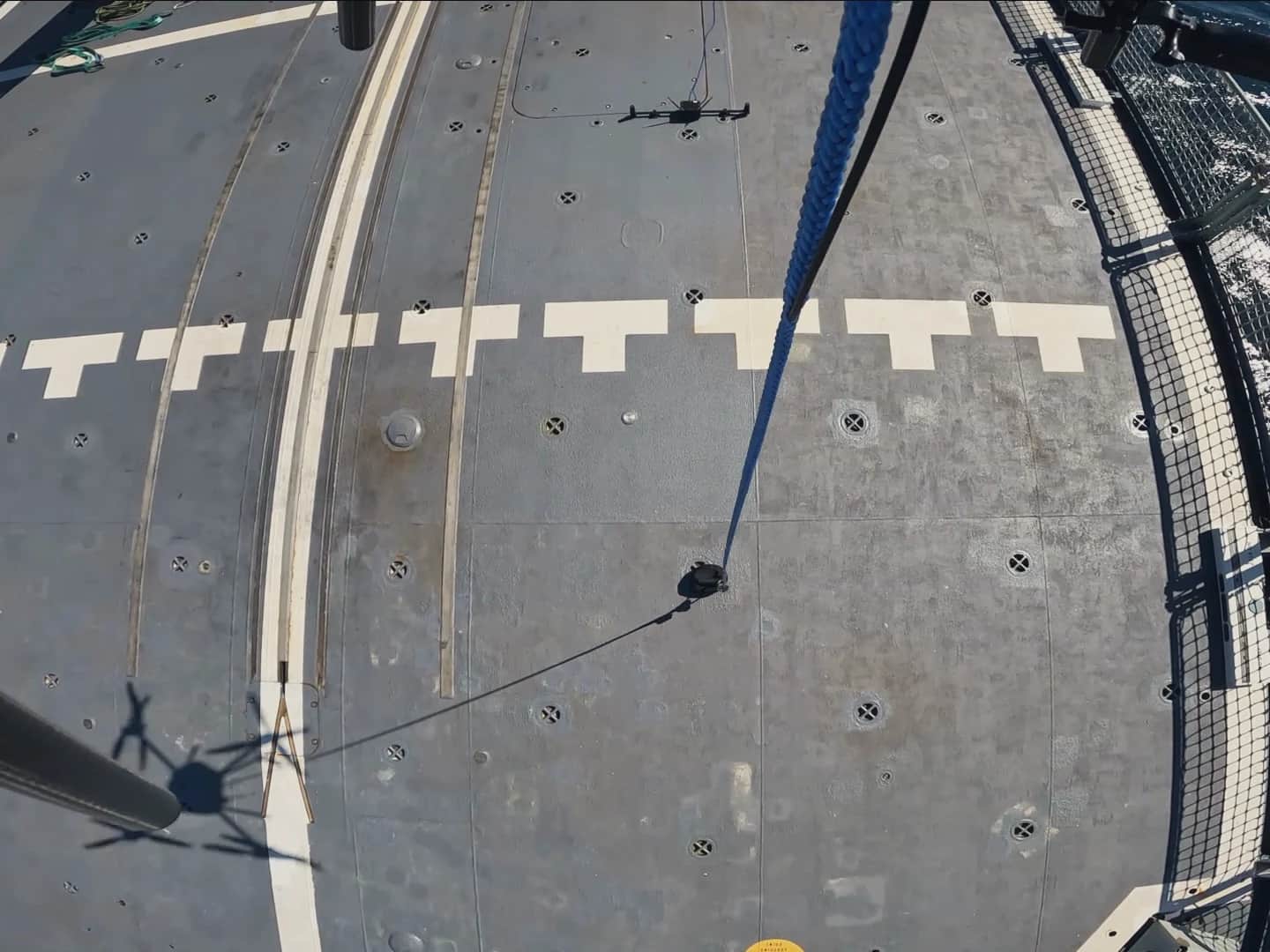
Approaches, landings and transfers on warships under way. Juno flies the approach to the moving deck, the release and the return to shore. At Talisman Sabre 2025 a Callisto carried a part 6.5 km to HMAS Choules and released it on deck.
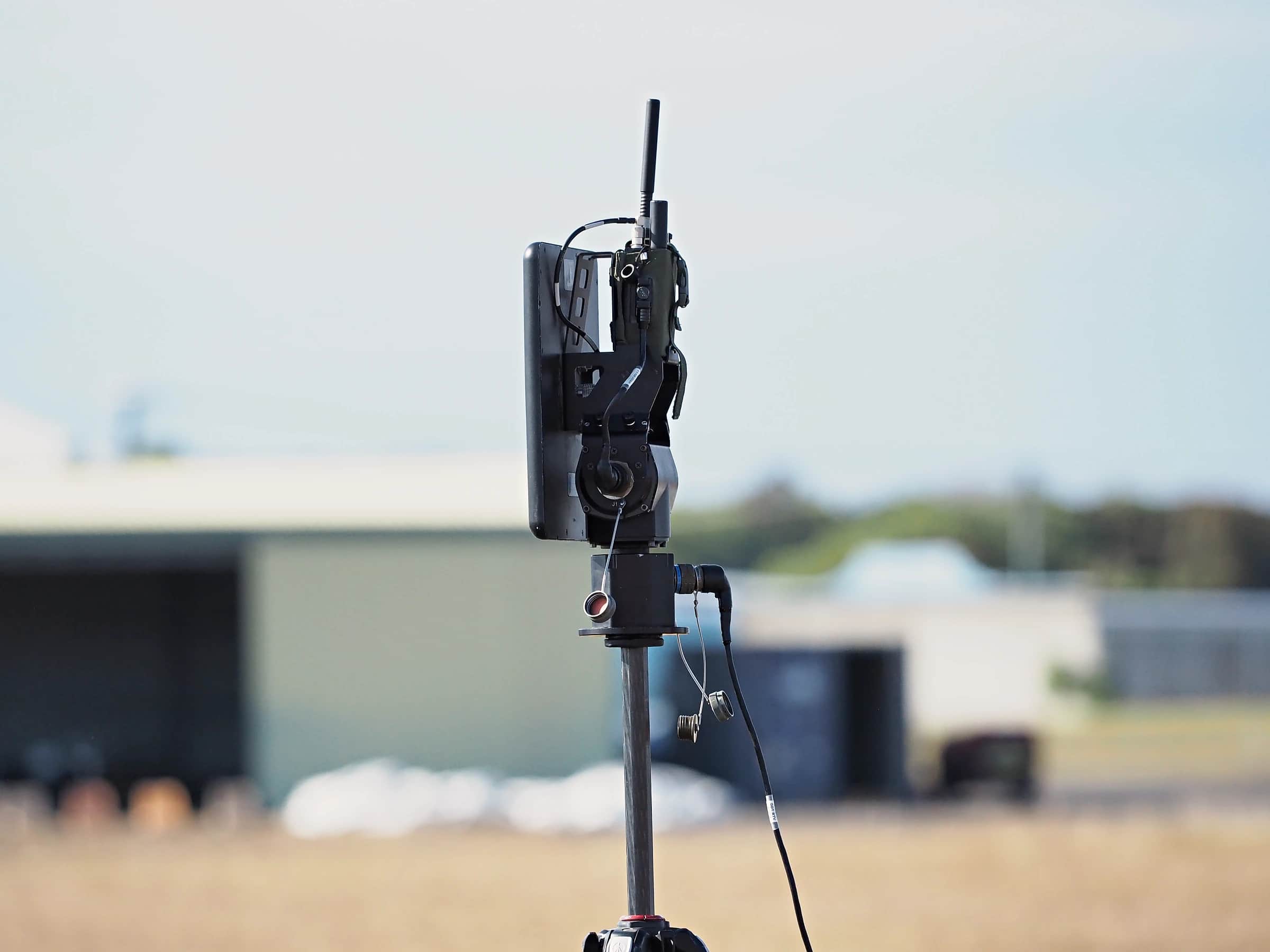
D-CRL
Communications relay
Holds a relay at altitude to extend tactical communications beyond line of sight, where there is no network. For dispersed units, littoral operations and resupply routes.
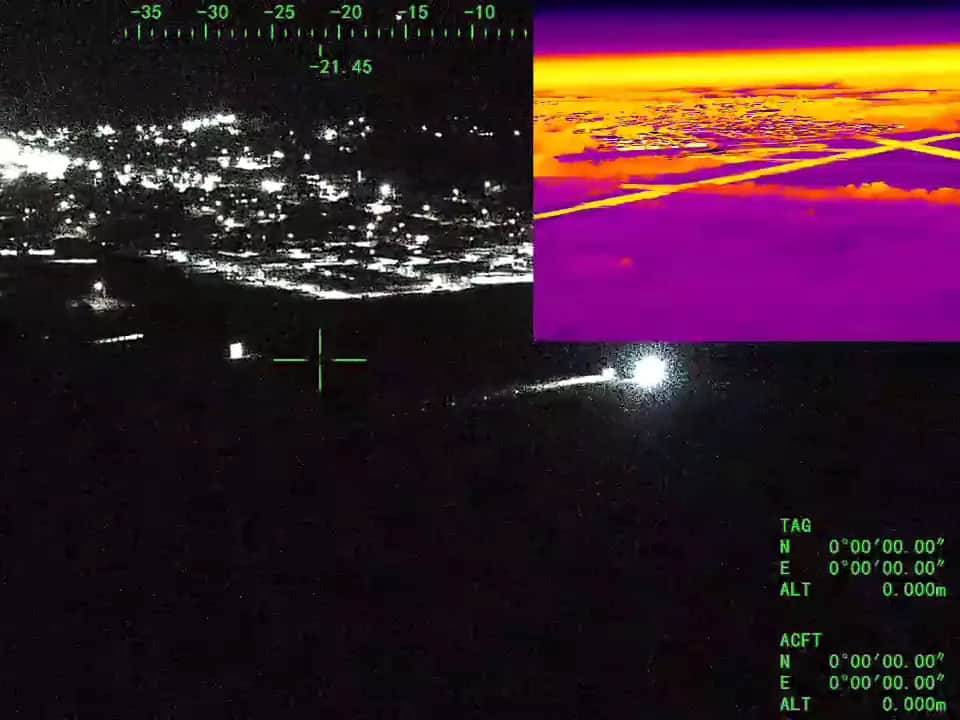
D-ISR
ISR
Larger sensors, carried further, than smaller uncrewed aircraft can lift. Juno flies the pattern and holds the sensor on the target while the operator works the picture, by day and night. For persistent surveillance, force protection and maritime patrol.
Published applications
Where the Callisto is in service, as the customer has published it.
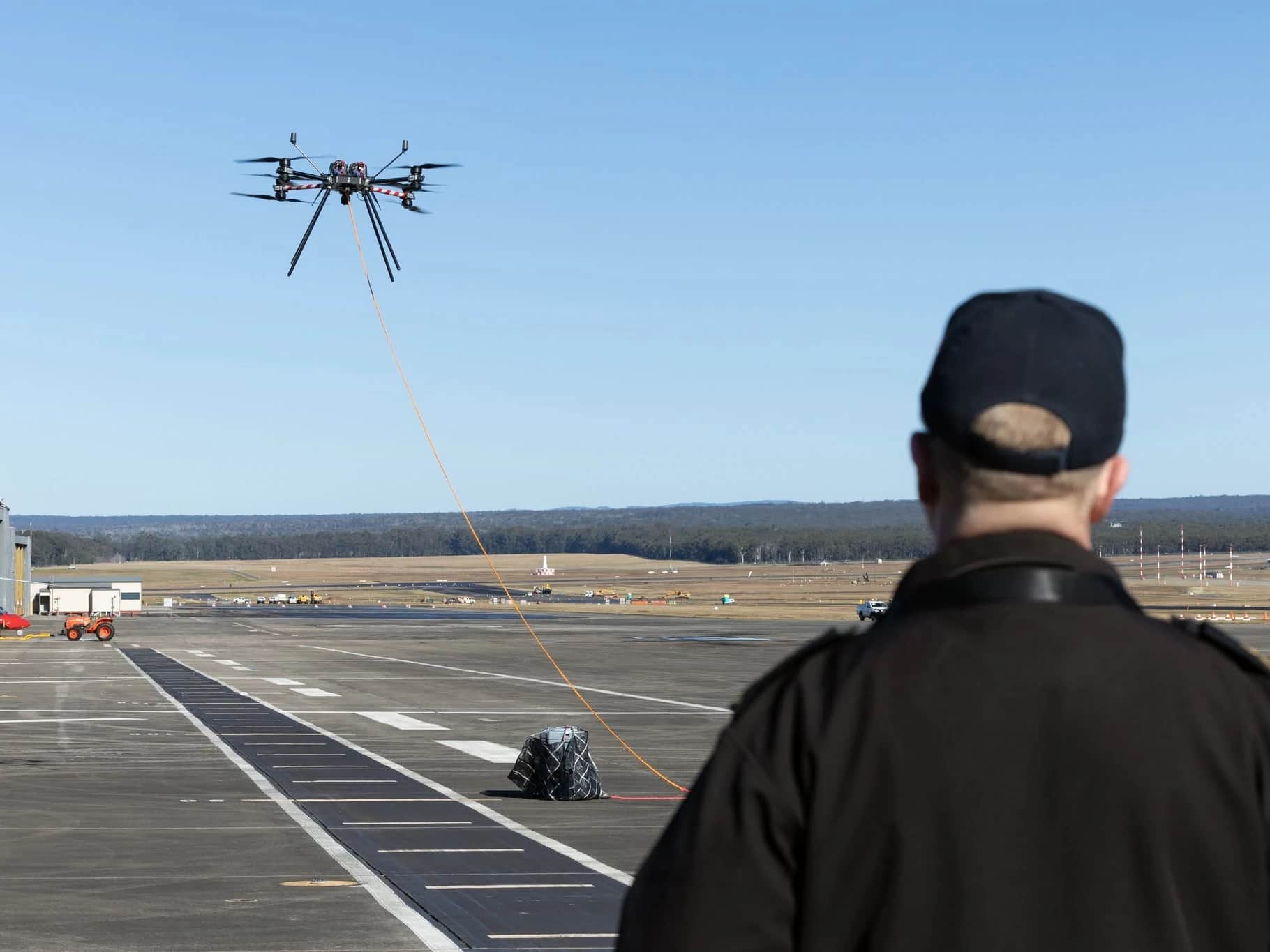
D-ASO
Royal Australian Navy
The Royal Australian Navy operates the Callisto with Juno Core, paired with the Autonomous Ship Operations module.
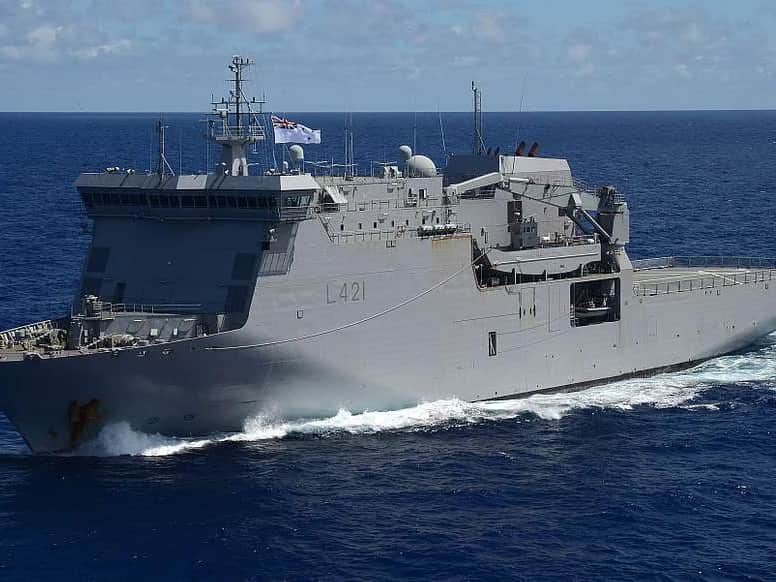
D-ASO
Royal New Zealand Navy
The Royal New Zealand Navy operates the Callisto with Juno Core, paired with the Autonomous Ship Operations module.
Training
Juno simulator
Fly the work before the aircraft arrives.
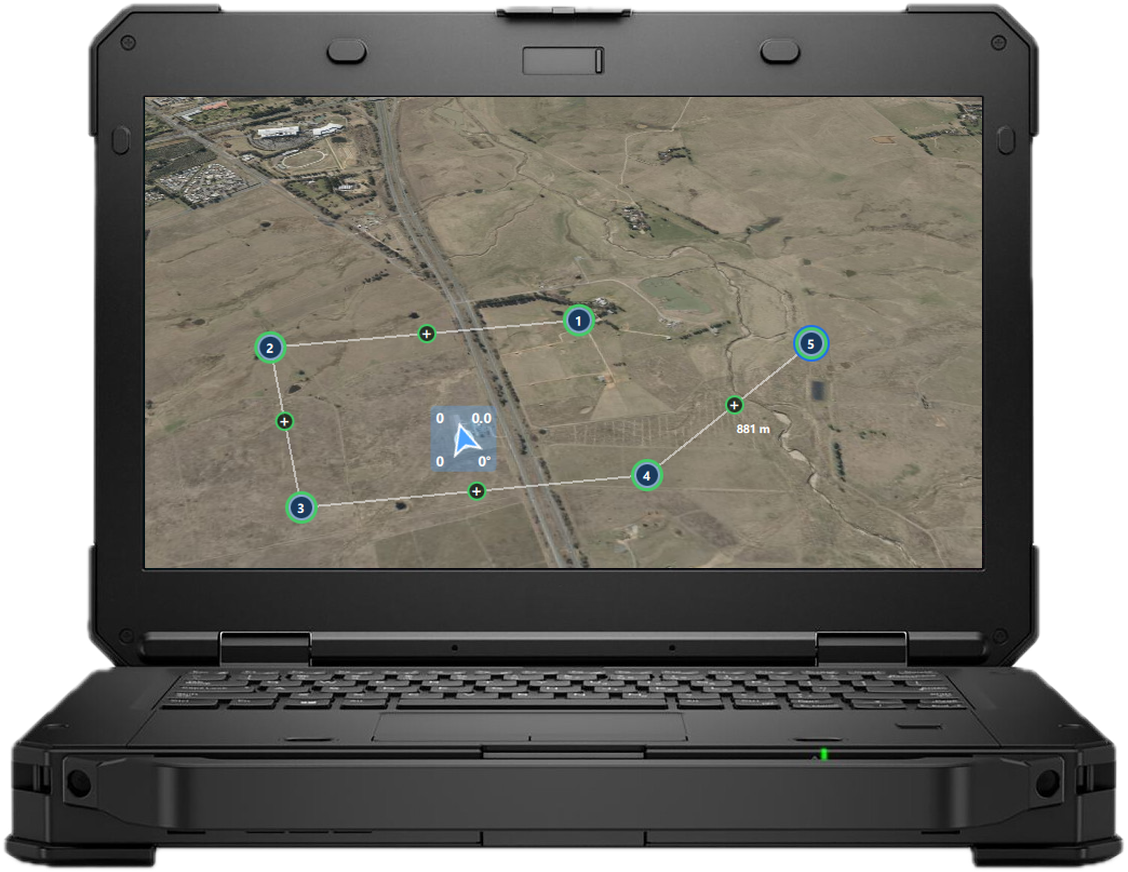
Juno Core
Familiarisation on the ground station itself, its flight modes, mission planning and the unified mission view, before the aircraft arrives.
The mission
Plan the task on the ground station and fly it in simulation first, over the terrain map of the area.
Training scenarios
Battery states and link scenarios set from the training panel, with the simulation run at the speed the instructor sets.